
Creatine Supplement Manufacturer
Creatine monohydrate and blends at high dose — creatine-to-creatinine stability run under your actual pack.
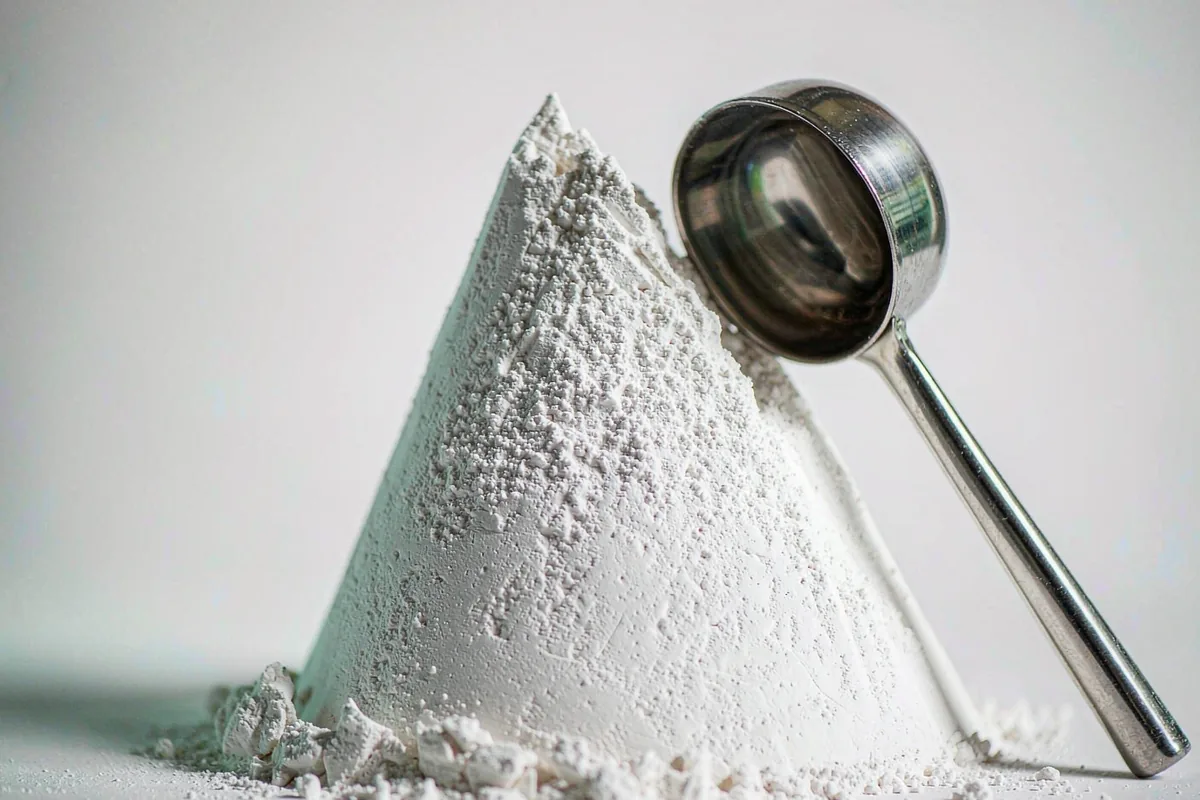
INGREDIENT SPOTLIGHT
Creatine Supplement Manufacturing — Your Formula, Our Line
We manufacture Creatine products on our partner lines in Zhengzhou, China. Bring a finished formula, a target active level or a rough concept, and we convert it into a specification we can run in bulk — monohydrate and blend specifications included.
- Creatine monohydrate and multi-active blends handled at high dose
- Powder, tub, sachet, gummy and capsule formats
- Flow, taste and mouthfeel tuned during sampling
Creatine monohydrate, plus HCl and micronised grades — in the formats the sports channel actually restocks.
12 Dosage Forms
Gummies, capsules, softgels, tablets, powders, liquids and solid beverages — all run in-house.
6 Production Lines
Two GMP facilities covering 14,000 sqm, 200+ employees, no subcontracted fill.
100+ Export Markets
cGMP, HACCP, ISO 22000 and HALAL certified. Documentation built for your market.
At a Glance
| Item | What We Run |
|---|---|
| Forms | Creatine monohydrate, micronised monohydrate, creatine HCl, creatine nitrate |
| Grades | Branded (licensed) creatine or equivalent non-branded material |
| Common formats | Powder, stick pack, gummy, tablet, capsule, solid beverage |
| Typical load | 3–5 g per serving in powder; gummies are limited by the gel system |
| Key challenge | Gritty mouthfeel, gummy protein load limits, creatine degradation over shelf life |
| Testing priority | Creatine assay, creatinine content, heavy metals, microbiological |
| Certification | cGMP, HACCP, ISO 22000, HALAL |
| Documentation | COA with creatine and creatinine figures, allergen statement, origin declaration |
Why Creatine Degrades and Why That Changes Your Format
Creatine monohydrate is the most evidence-backed sports ingredient and the simplest to manufacture — until it meets moisture. Three decisions decide which format survives.
Moisture Is Everything
Creatine hydrolyses into creatinine in the presence of water — the single reaction that decides which formats work. A dry powder in a foil pack holds its assay for two years; a gummy is a hydrated gel that will show creatinine formation a powder never will.
Stability, Not Assumption
This is not a reason to refuse the format, but a reason to test it under your actual pack. We run accelerated stability as standard and show you the creatine-to-creatinine curve under the packaging you intend to use — some gummies pass comfortably, some need an overage or a shorter shelf life.
The Grade
Branded (licensed) creatine carries a recognised name and a premium price; equivalent non-branded monohydrate is analytically similar and significantly cheaper; micronised grades improve mouthfeel without changing the assay. We price all three side by side rather than steer you to one.
Formats We Run
Powder
3–30 g tubs and sachets, the dominant format and the most stable for creatine
Stick packs and single-serve sachets
3–10 g, the fastest-growing format in the sports channel
Solid beverage
5–30 g sachets, often blended with electrolytes or carbohydrate
Gummies and chewables
4 g unit weight as standard, limited to roughly 1–2 g creatine per piece and requires stability testing
Tablets
compressed and film-coated, up to 1,000 mg, a 3–5 tablet serving
Hard capsules
HPMC or gelatin, 500–800 mg fill, usually a multi-capsule serving
What We Check Before Release
Creatine assay at release and creatinine…
Creatine assay at release and creatinine content measured as a degradation marker
Accelerated stability under your intended pack
Accelerated stability under your intended pack, with the creatine-to-creatinine curve reported
Heavy metals and microbiological limits …
Heavy metals and microbiological limits on the finished product Water activity and moisture content, which drive the degradation rate directly
Particle size distribution for powdered formats
Particle size distribution for powdered formats, which sets the mouthfeel in a drink Flavour and colour stability through shelf life, particularly for gummies and ready-to-drink formats
Sourcing and Specification Notes
Branded and non-branded grades…
Branded (licensed) and non-branded monohydrate are both available and analytically similar
Micronised grades improve dispersion and…
Micronised grades improve dispersion and mouthfeel with no change to assay Creatine HCl offers better solubility at a materially higher cost per gram of creatine
Gummy formats need a creatine-to-gel-system ratio we will specify after sampling
Gummy formats need a creatine-to-gel-system ratio we will specify after sampling, not before We will quote the overage needed to hold your declared dose at end of shelf life, and explain why it exists
One Thing Buyers Get Wrong
Declaring 5 g creatine in a gummy without a stability study. A hydrated gel converts creatine to creatinine over time. Either the declared dose has to carry an overage or the shelf life has to be shortened. We measure the curve before you commit. Ignoring creatinine as a specification line. It is the direct marker of degradation, and a supplier who reports only the creatine assay has not shown you whether the material has already begun to convert. Overpaying for a licensed grade when the branded claim is not part of your positioning. A licensed grade is a real quality marker and a real marketing asset. If your label does not reference it, the equivalent grade performs the same in the format for less.
Popular Formulas We Run
Creatine is almost always a single at 5 g — the format and the odd add-on decide the SKU.
Daily Monohydrate
Creatine monohydrate at 5 g per serve as unflavoured powder — the category default.
Performance Gummy
Creatine in a 4–5 gummy serving for a travel-friendly sports SKU.
Pre-Workout
Creatine with electrolytes, taurine and HMB for a training-positioned blend.
MOQ, Sampling & Lead Times
The commercial basics up front — minimums, sampling and production speed, the same commitment on every ingredient line.
Minimum Order Quantities
From 100 pieces per SKU on standard formats; 500 for custom packaging, 1,000 for a custom formula and 3,000 for full turnkey projects.
Quote & Sampling
Enquiries answered within 24 hours and quotations within 48. Samples take 2-3 days, with pilot batches from 1–5 kg before any bulk commitment.
Production & Dispatch
Standard bulk runs complete in 5–10 days, with packaged goods leaving the factory in 10–15 days after PO and artwork approval.
Where to Go Next
Health Focus

Frequently Asked Questions
What is the minimum order quantity for creatine powder or gummies?
MOQ is confirmed per format and specification at quotation stage. Grade, serving size, pack format and packaging all move the figure — send us the target and we will quote exactly.
Can you supply branded (licensed) creatine?
Yes, and we can also quote equivalent non-branded monohydrate that is analytically similar at a lower price. We will show you both side by side so the choice is based on your positioning rather than on our preference.
Can creatine go into a gummy?
Yes, at roughly 1–2 g per 4 g piece. Because a gummy is a hydrated gel, creatine will convert to creatinine over shelf life, so we run accelerated stability under your actual pack and tell you what overage or shelf life the format supports.
How do you stop creatine degrading?
By controlling moisture. Dry powder in a foil or barrier pack is the most stable format. For gummies and liquids we measure the creatine-to-creatinine curve and either set an overage or shorten the declared shelf life, based on the data.
Do you report creatinine content?
Yes. Creatinine is the degradation product of creatine, so we report it alongside the creatine assay on the Certificate of Analysis. It is how you know whether the material you received has already begun to convert.
How long does bulk production take?
We reply to enquiries within 24 hours and send a quotation within 48. Samples take 2-3 days, and standard bulk runs complete in 5–10 days with packaged goods leaving in 10–15 days.
DOSAGE FORMS
Which format should your Creatine product take?
The same Creatine blend can be delivered in several forms, and each one changes the fill weight, the taste profile and the tooling. We produce powder, gummy and capsule in-house, so the choice is driven by your market rather than by what a third party can supply.
- Forms we run for this ingredient: powders, sachets, gummies and capsules
- Pilot batch from 1–5 kg before any bulk commitment
- Fill weight, unit count and pack format set to your brief
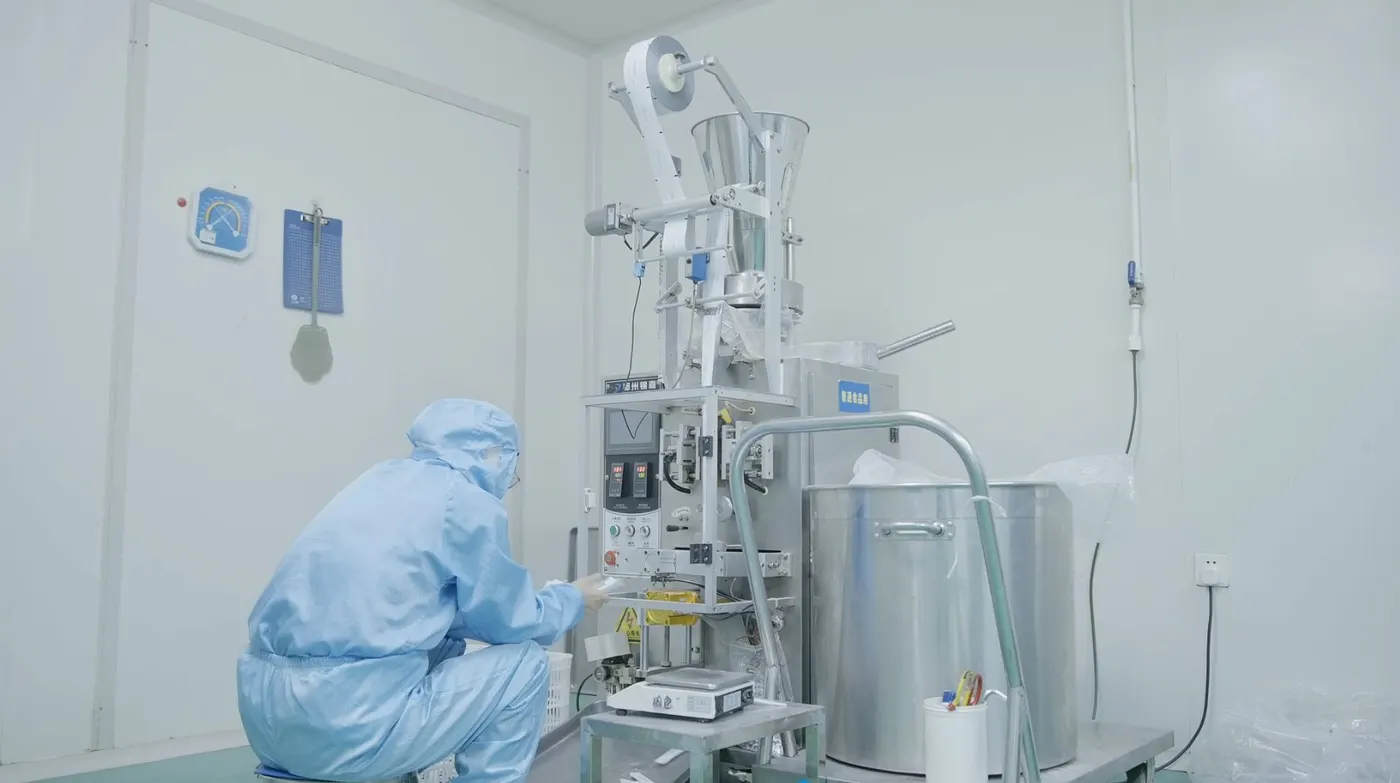
Request a Creatine Sample
Send the target actives, dosage form and pack size. We reply with a feasibility view, a sample plan and indicative pricing within 1–2 business days.
Start Your Project
Send the format, target active load and destination market. We confirm feasibility, quote it and prepare a sample — usually within 1–2 business days. Prefer to see the capability first? Read how our OEM programmes run, or request a free quote.