
Product Recall Policy
PRODUCT SAFETY
Recall and Traceability Policy
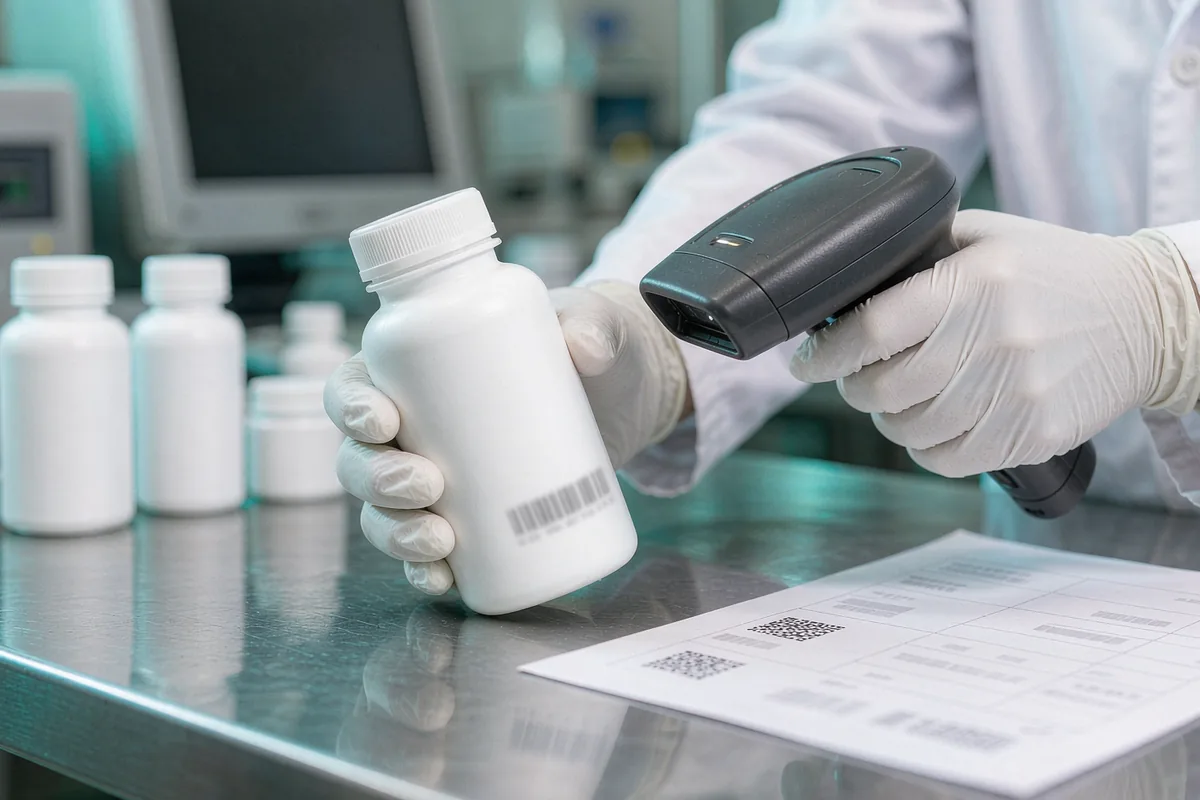
If a batch ever needs to be withdrawn, the important thing is that we can identify it, notify the right people quickly and account for where it went. This page sets out how that works.
- Every batch traceable by lot number from raw material to shipment
- Documented notification route to the customer of record
- Corrective action recorded and reviewed after any withdrawal
How we trace a batch, decide whether to recall, notify the people who need to know, and close the issue out. Because the time to read a recall procedure is not during a recall.
Scope
This procedure covers any finished product manufactured or packed by Huibojian (Zhengzhou) Health Technology Co., Ltd. that has left our control and may present a food-safety, quality or labelling risk. It applies to a full recall, a partial recall and a market withdrawal — the three are different in law and different in urgency, and we say which one applies when a case is opened.
Traceability
Every batch is traceable one step back and one step forward. For each release batch we retain:
- Batch number and production date, linked to the production record
- All raw material lot numbers consumed in the batch, with supplier and incoming-inspection records
- Finished-goods test results and the released Certificate of Analysis
- Packaging lot and artwork version used
- Dispatch records: which customer received how many units, under which invoice and shipment
These records are retained for a minimum of two years beyond the stated shelf life, or longer where the destination market requires it.
What Triggers a Recall or Withdrawal
| Trigger | Typical response |
|---|---|
| Confirmed pathogen or foreign-body contamination | Recall |
| Out-of-specification assay or a label that misstates an active | Recall or withdrawal, depending on the risk assessment |
| Allergen not declared on the label | Recall |
| Undeclared ingredient that is a regulated allergen or prohibited substance | Recall |
| Packaging defect affecting product integrity | Withdrawal or recall, depending on the defect |
| Regulatory action in a destination market | Action as directed by the authority |
A missing Certificate of Analysis or a documentation error is not by itself a recall trigger, but it is a corrective-action trigger and is handled under the same procedure.
Decision and Roles
- Quality Manager — assesses the risk, opens the case, drafts the technical statement, and owns the record.
- General Manager — authorises the recall, and is the only person who may close it.
- Sales and customer contact — notifies affected buyers and coordinates stock recovery.
- Production — quarantines remaining stock of the affected batch and traces the production record.
A recall decision does not wait for complete information. We act on the precautionary principle when the risk to a consumer is plausible, and we correct the scope later if the evidence allows.
Notification
| Timeline | Action |
|---|---|
| Within 24 hours of a confirmed trigger | Affected buyers notified by email and telephone, with the batch number, the nature of the issue and the action required |
| Within 48 hours | Written recall notice issued, including recovery instructions and a contact for questions |
| Within 72 hours | Regulatory authority notified where the destination market requires it |
| Ongoing | Recovery status reported to the affected buyers until the recall is closed |
The written notice states plainly what is wrong, which batch is affected, what the buyer should do with held stock, and what happens to stock already sold through to consumers.
Recovery and Disposition
Recovered stock is quarantined and clearly labelled as held. It is not returned to saleable inventory, reworked into another batch, or disposed of without a recorded decision. Disposition is documented, and where the product is destroyed, this is done under supervision with a record kept.
Costs and Remedy
Where a recall is caused by a defect in our manufacturing, our packaging or our documentation, we bear the cost of recovery and replacement. Where it is caused by a specification, artwork or instruction supplied by the buyer, responsibility is apportioned accordingly. We discuss the position openly as soon as the cause is understood, rather than waiting for the recall to close.
Root Cause and Closure
Every recall is followed by a root-cause investigation and a corrective and preventive action plan. The recall is not closed until the corrective action is verified as effective. Buyers affected by a recall receive the root-cause summary on request.
Drills
We run at least one traceability exercise a year, in which a batch is chosen at random and the full chain — raw materials to dispatched customers — is traced and timed. The result is recorded.
Related Pages
The policies and systems behind how we run the business.
Need This Procedure for Your Due Diligence?
If your compliance process requires a documented recall procedure, or a signed version for a supplier file, tell us and we will provide it in the format you need.
- Available as a signed PDF
- Traceability drill records available under NDA
- We can complete your supplier quality questionnaire
These statements have not been evaluated by the Food and Drug Administration. This product is not intended to diagnose, treat, cure or prevent any disease.