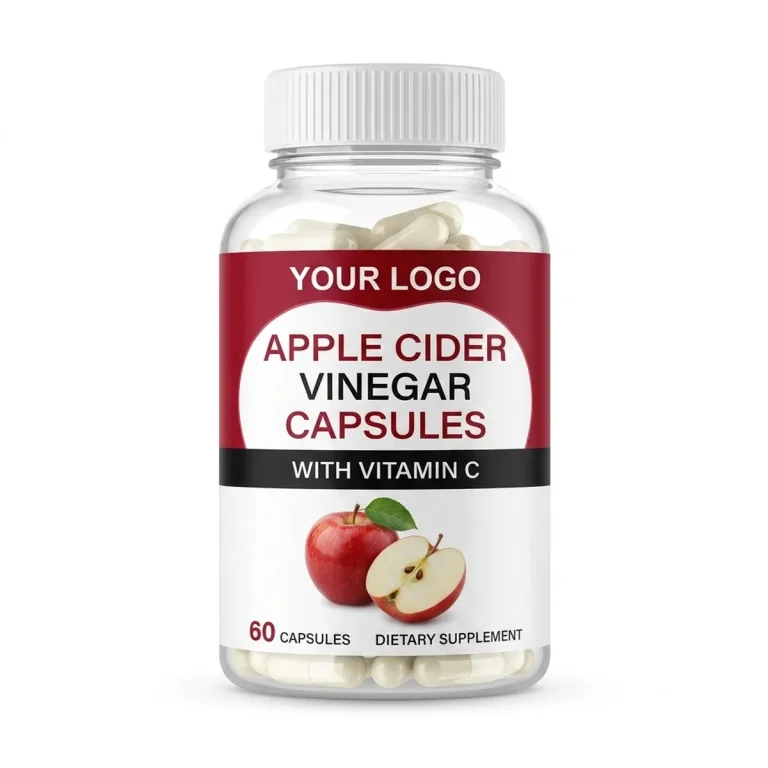
Capsule
Apple Cider Vinegar + Vitamin C Capsules
Why brands choose our apple cider vinegar capsules Apple cider vinegar is a mainstream wellness ingredient with strong consumer recognition. A capsule…
Request a Quote
Why brands choose our apple cider vinegar capsules Apple cider vinegar is a mainstream wellness ingredient with strong consumer recognition. A capsule…
Request a Quote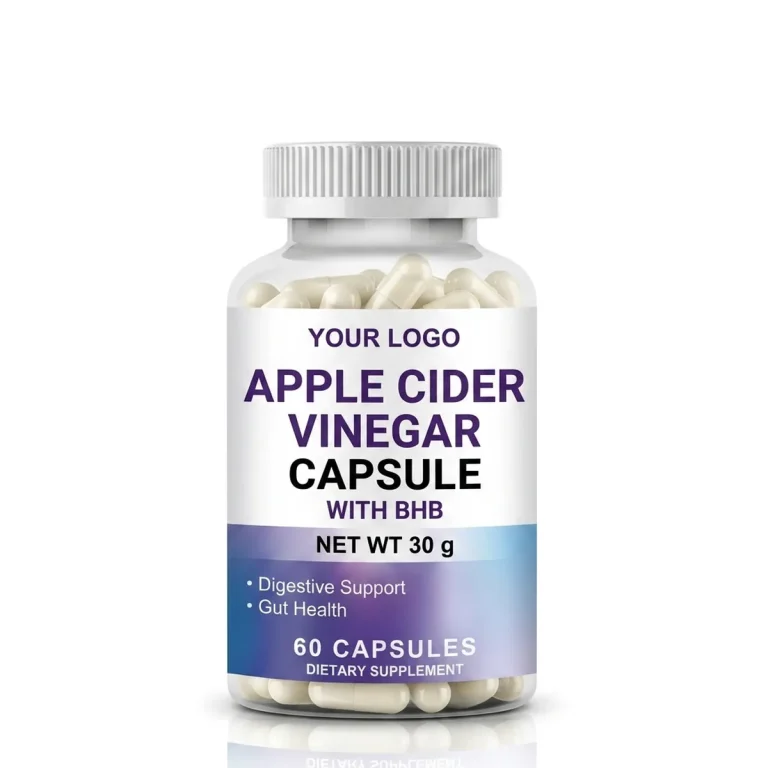
Why brands choose our apple cider vinegar capsules Apple cider vinegar is a mainstream wellness ingredient with strong consumer recognition. A capsule…
Request a Quote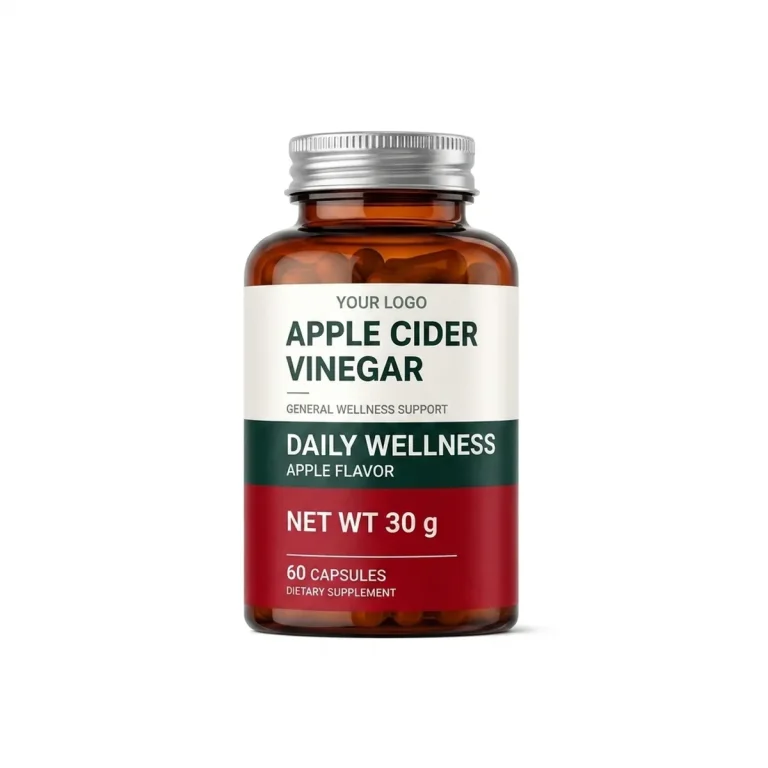
Why brands choose our apple cider vinegar capsules Apple cider vinegar is a mainstream wellness ingredient with strong consumer recognition. A capsule…
Request a Quote
Why brands choose our glucomannan capsules Glucomannan is a soluble dietary fibre with strong recognition in weight-management and digestive lines. A capsule…
Request a Quote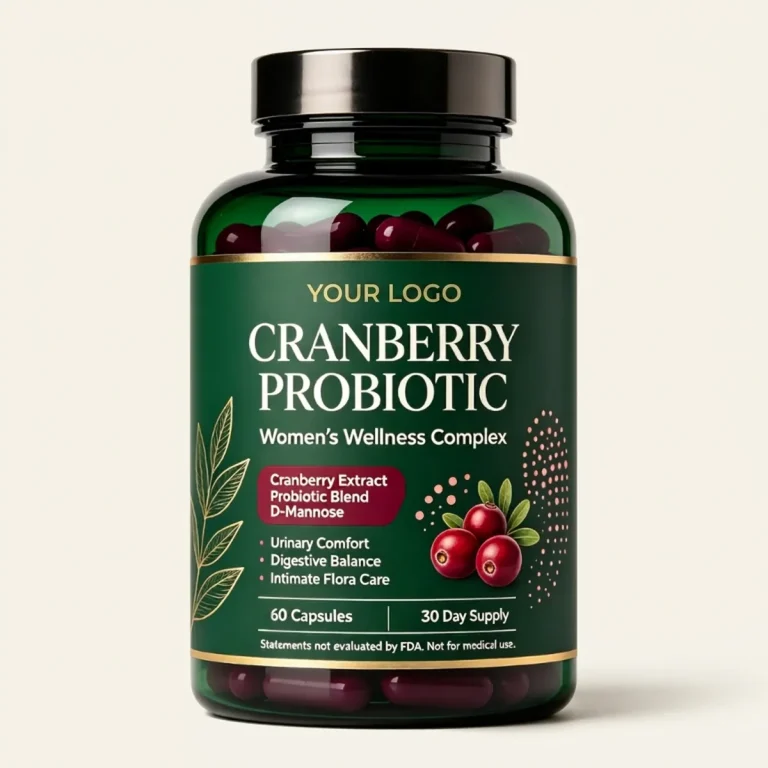
Why brands choose our probiotic supplements Probiotics are a high-demand staple for digestive-wellness and gut-health lines, delivered in a precise, easy-to-swallow capsule.…
Request a Quote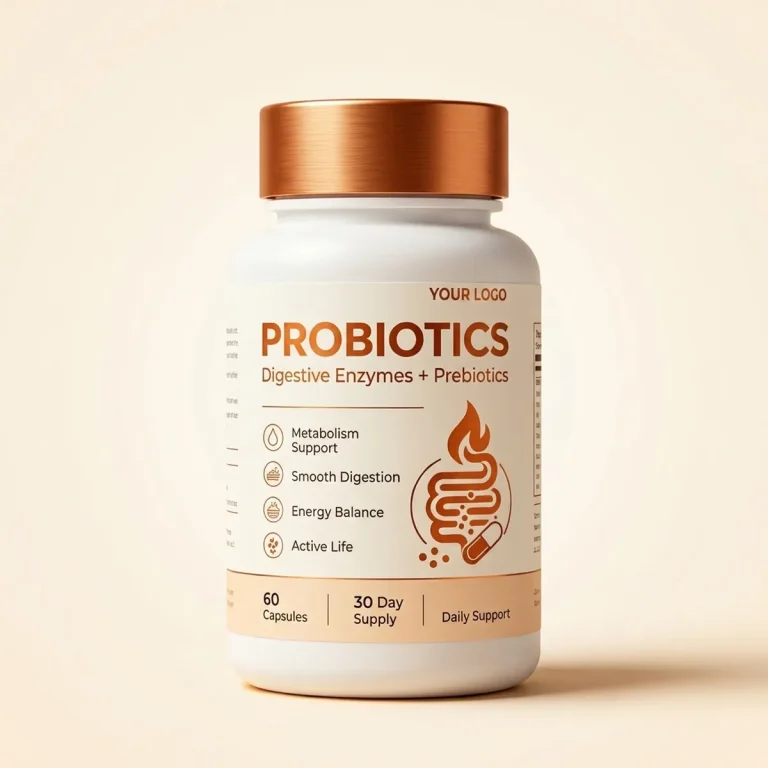
Why brands choose our probiotic supplements Probiotics are a high-demand staple for digestive-wellness and gut-health lines, delivered in a precise, easy-to-swallow capsule.…
Request a Quote
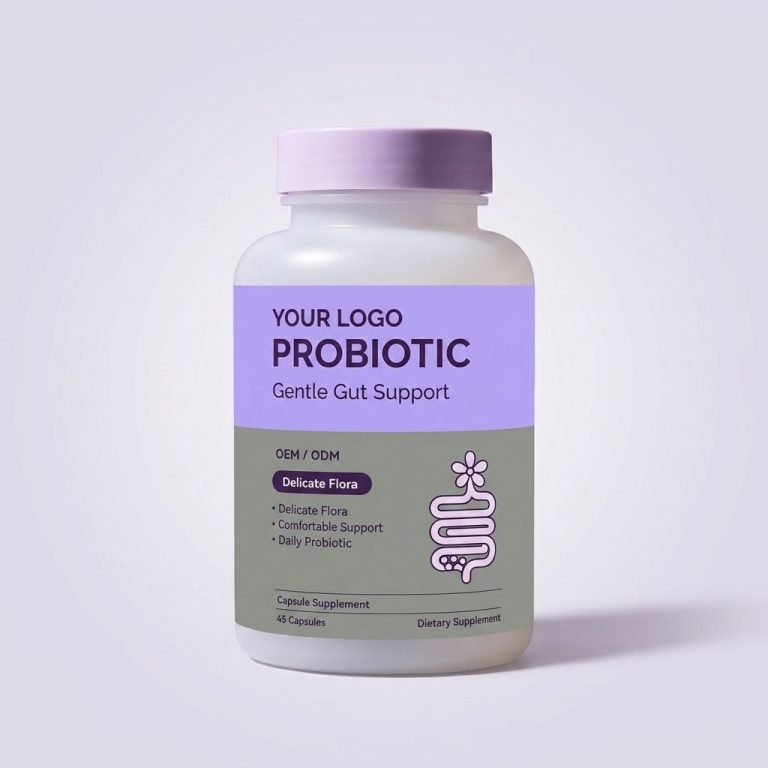
Two-piece hard capsules are the workhorse of the supplement industry — versatile, cost-efficient and compatible with almost every powder, granule or pellet. They carry high active loads with no taste compromise, and support enteric or delayed-release coating. Hubogen fills hard capsules in-house at scale. As a capsule manufacturer, Hubogen offers hard capsule OEM with enteric and delayed-release coating options.
Sizes 0 to 000 cover fill weights from roughly 250 mg to over 1,000 mg depending on bulk density. Shells are gelatin or HPMC, clear or coloured, opaque or translucent. Two-piece construction lets us combine actives in one capsule, or use pellet and granule blends for controlled release. Fill weight is customised to your dose.
Probiotics and digestive enzymes, herbal and botanical extracts, ashwagandha, lion’s mane and adaptogens, multivitamin and mineral blends, turmeric and curcumin, glucosamine and joint formulas, amino acids and sports nutrition, and immune-support combinations.
Capsules are released against fill weight, shell integrity and disintegration. A heavy-at-start/light-at-end run is a dosing problem even when the average looks right. Shelf life is confirmed per formulation, typically 24 months sealed and stored as directed; a desiccant extends the window where the fill is moisture-sensitive. Storage instructions travel with the COA.