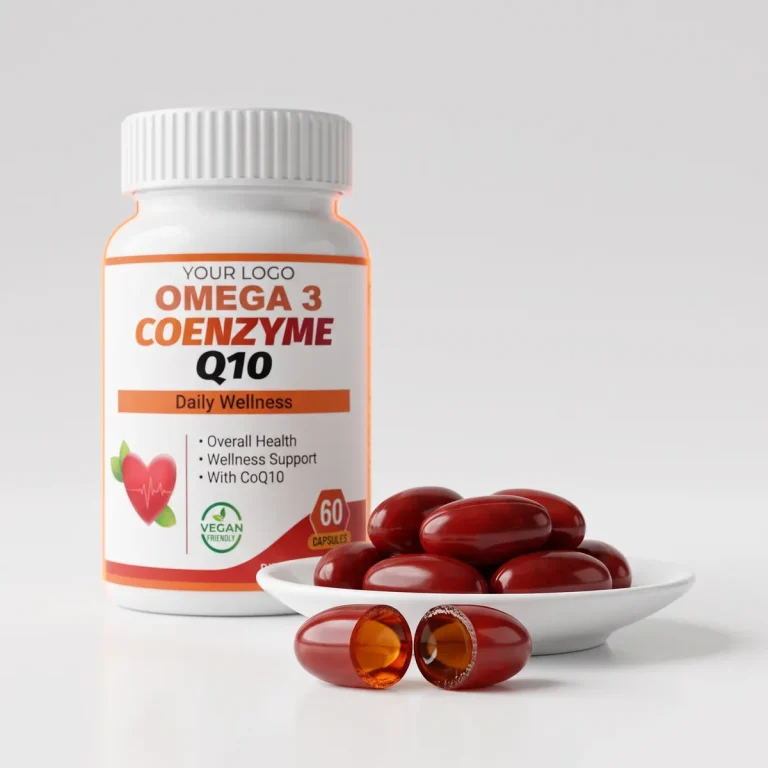
Softgel
CoQ10 Softgel Capsules
Why brands choose our CoQ10 softgels Coenzyme Q10 is a trusted ingredient for energy and heart-support lines, with strong demand from mature…
Request a Quote
Why brands choose our CoQ10 softgels Coenzyme Q10 is a trusted ingredient for energy and heart-support lines, with strong demand from mature…
Request a Quote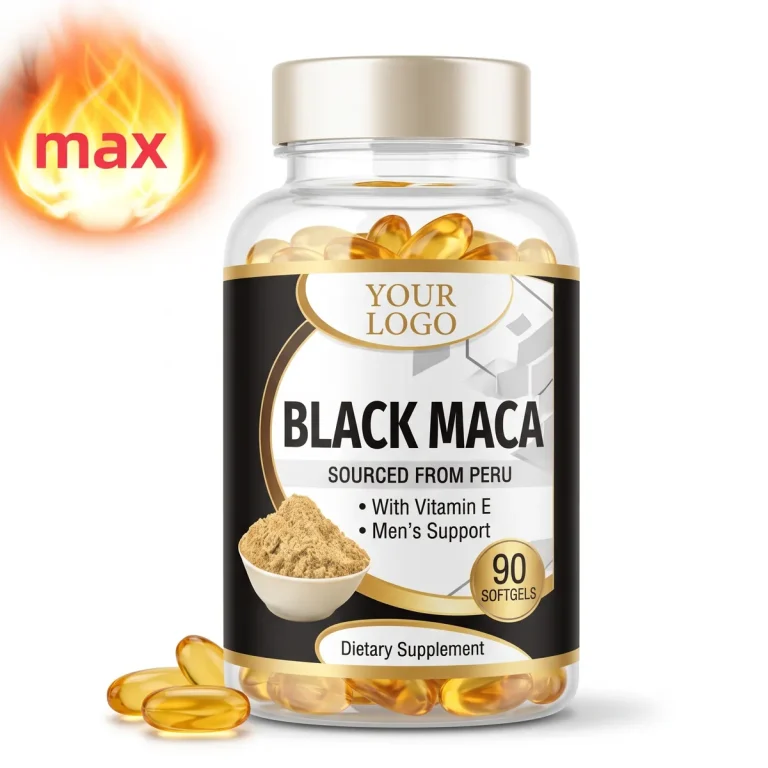
Why brands choose our maca root capsules Maca root is a popular adaptogenic botanical for energy and daily vitality lines, with strong…
Request a Quote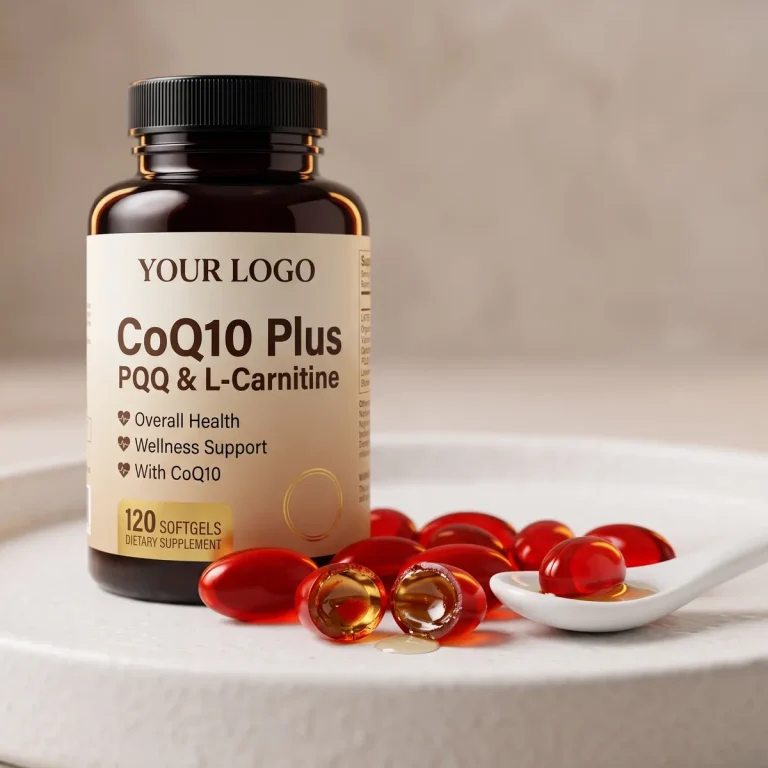
Why brands choose our CoQ10 softgels Coenzyme Q10 is a trusted ingredient for energy and heart-support lines, with strong demand from mature…
Request a Quote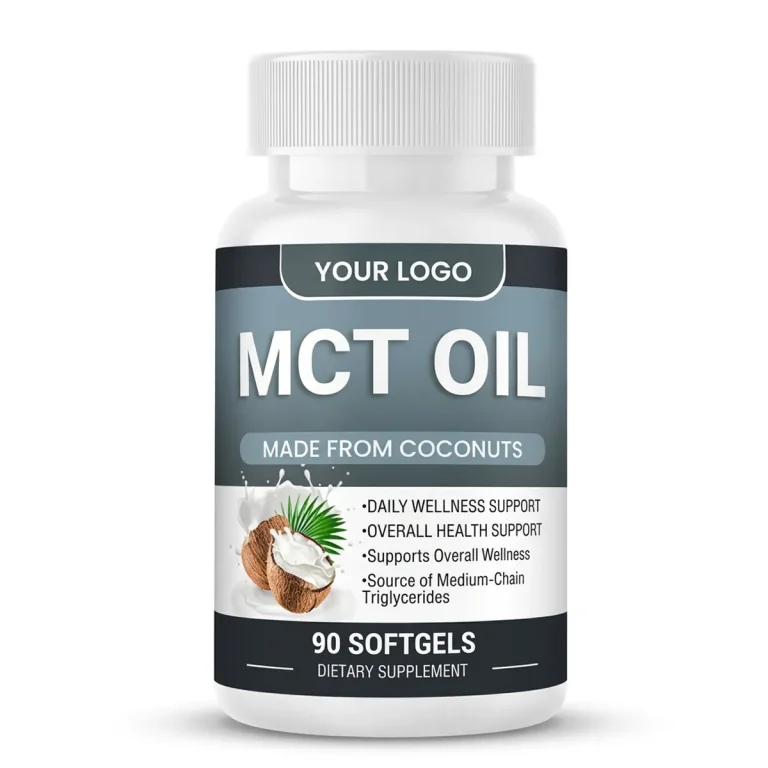
Why brands choose our coconut oil softgels Coconut oil is a familiar, versatile ingredient for energy, wellness and clean-label lines. A softgel…
Request a QuoteSoftgels are the format of choice for oils, fat-soluble vitamins and any active needing protection from oxygen and light. A hermetically sealed gelatin shell locks in freshness, masks taste completely and delivers a consistent dose. Hubogen runs rotary-die softgel lines in-house for small and large batch OEM programmes. As a softgel manufacturer, Hubogen offers gelatin and vegetarian softgel OEM with 500-1500 mg fill weights.
Softgel sizes span from 500 mg capsules for concentrated oils up to 1,500 mg and beyond for blends and multi-oil formulas. Shells are gelatin or vegetarian (starch / carrageenan), clear or opaque, with optional natural colourants. Fill weight, dimensions and shape (oval, oblong, round) are customised per project.
Omega-3, fish oil, krill oil and algal DHA, vitamin D3 and K2, CoQ10, astaxanthin, lutein and zeaxanthin, vitamin E, evening primrose and borage oil, black seed oil, oregano oil, garlic oil, and multi-oil beauty and joint blends.
Softgels are released against fill weight, shell integrity and dissolution — a softgel heavy at the start and light at the end is a dosing problem even when the average looks right. Moisture migration is the quiet failure mode: a water-based active softens a gelatin shell over time, so stability is checked before the batch ships. Shelf life is typically 24 months, stated on the spec sheet and confirmed against stability data.